Before ordering and after launch
How to evaluate development, verify results and establish client relationships.
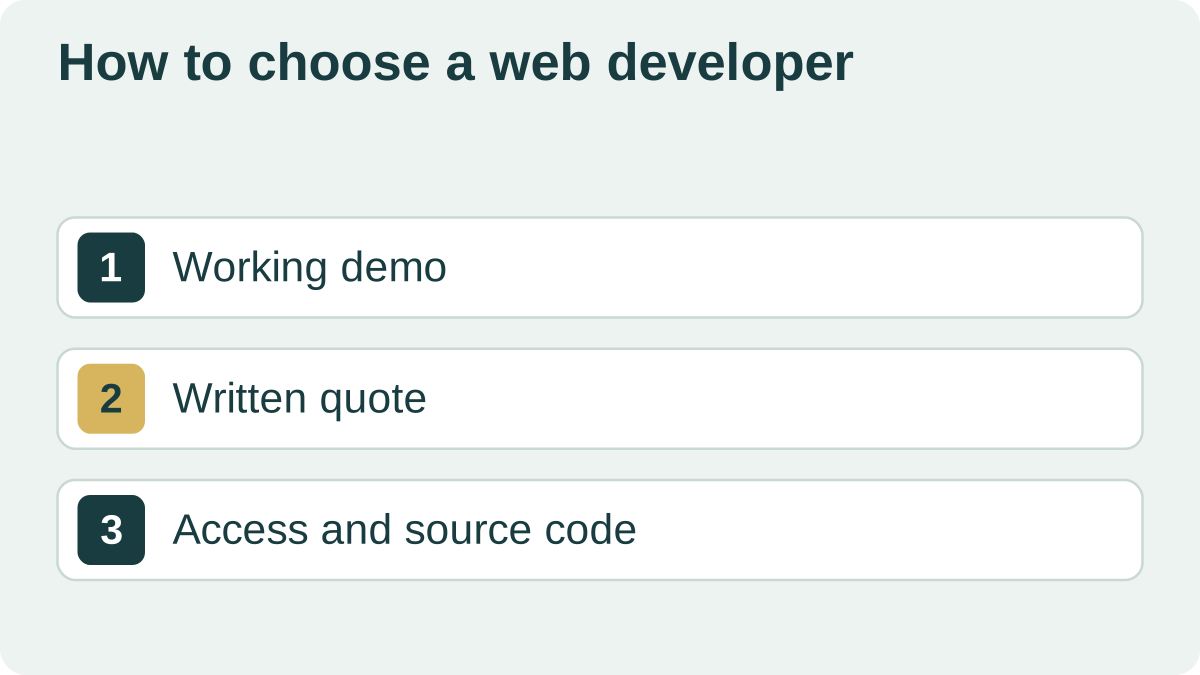
How to choose a web developer before paying a deposit
Check a developer’s working examples, written scope, delivery stages and handover terms. Turn a vague proposal into results you can test.
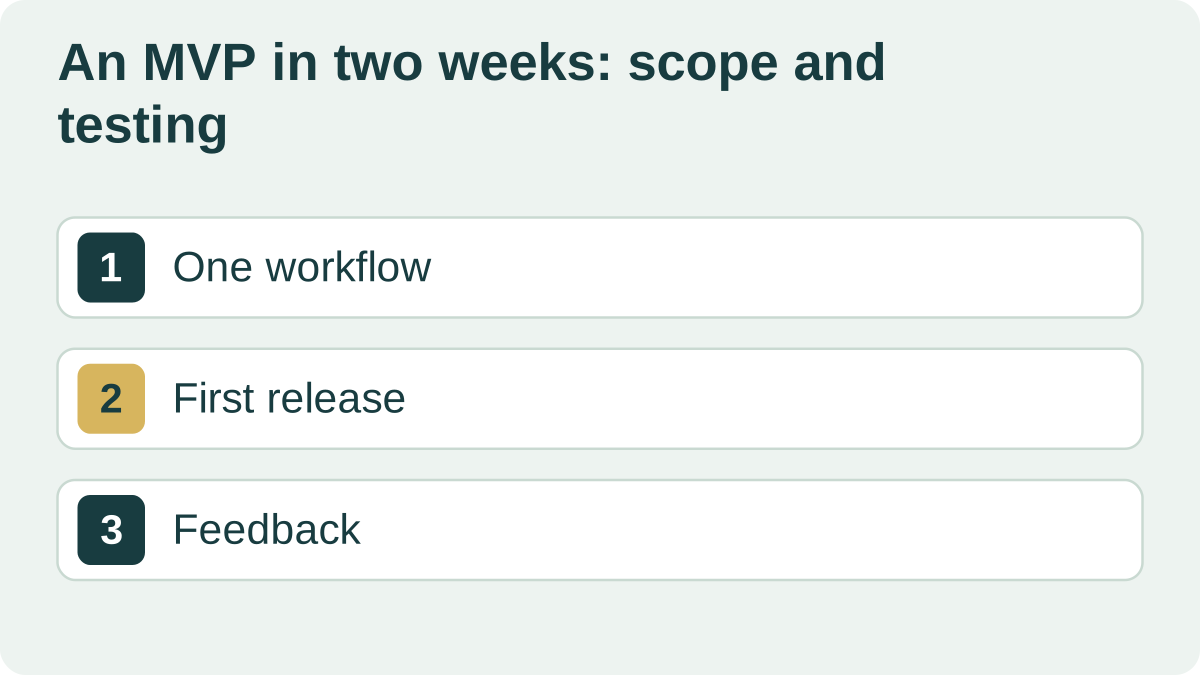
An MVP in two weeks: scope, dependencies and testing
Work through an illustrative 14-day MVP plan. Define one customer journey, check external dependencies and include payment, permissions and handover tests.
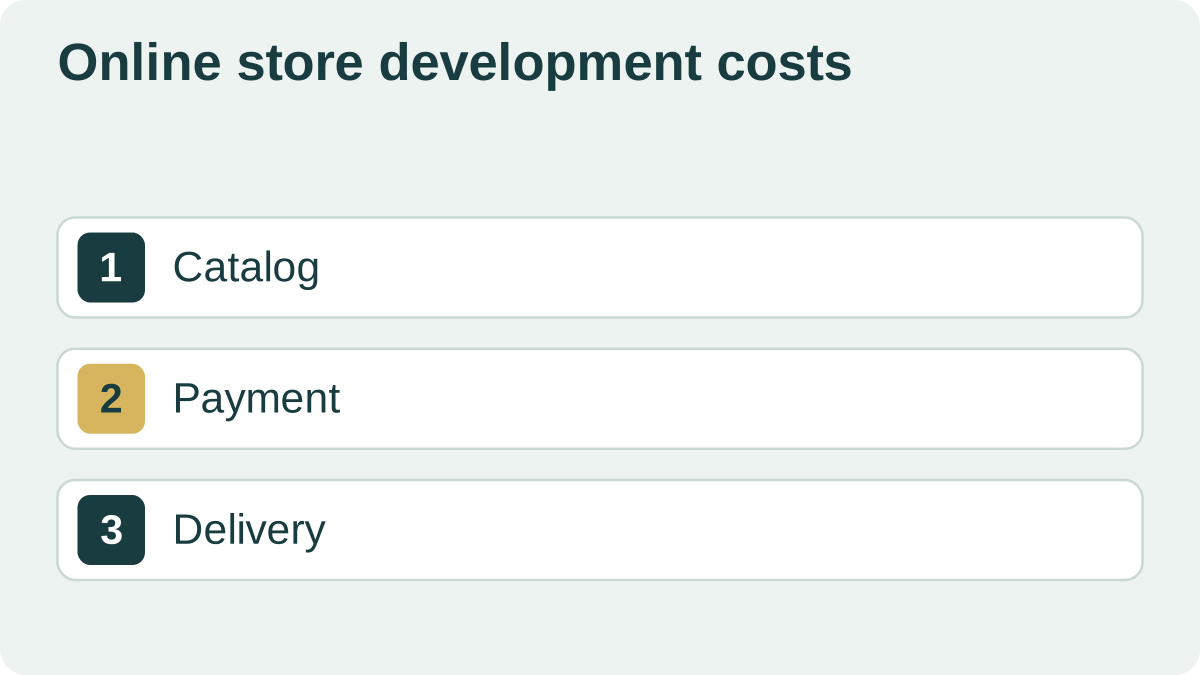
Online store costs: a worked launch budget
Work through an illustrative online store budget, development hours and first-year costs. See how catalog data, payments, inventory and delivery affect the scope.
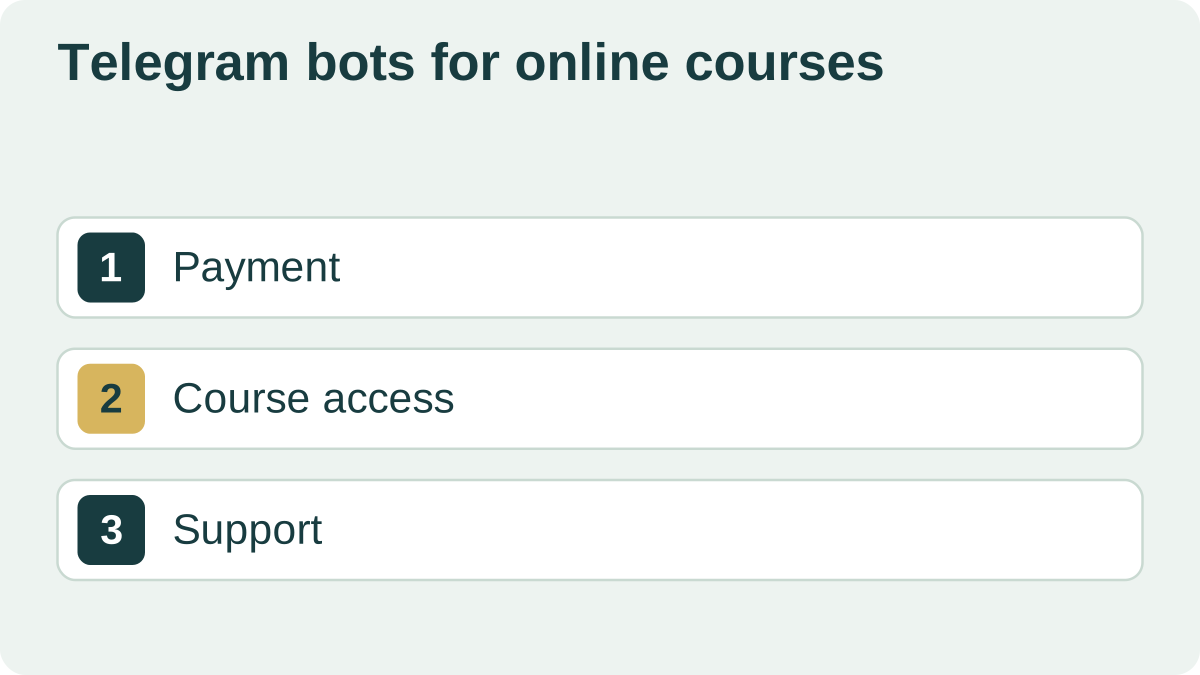
Telegram bots for online courses: payment and access
Plan course access, payment checks, refunds and account recovery in a Telegram bot. See where automation helps and where students still need a person.
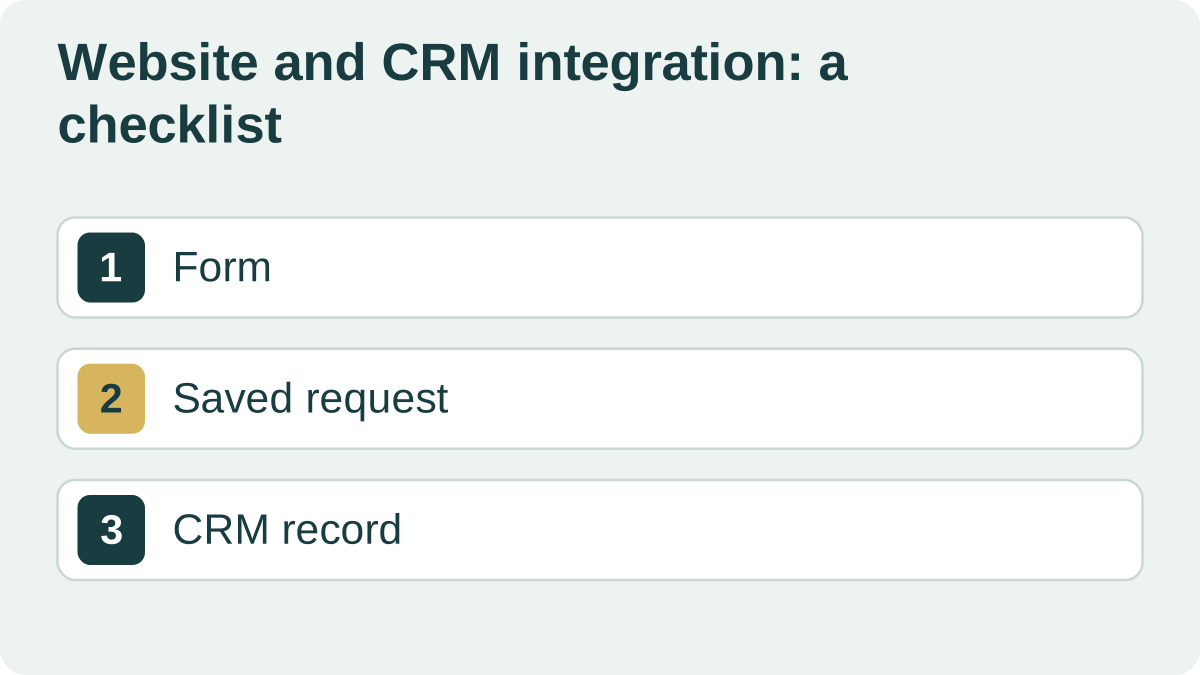
Website and CRM integration: keep every inquiry
Map form fields, assign an owner and handle duplicate submissions. Test that inquiries survive a CRM outage and reach the right sales pipeline.
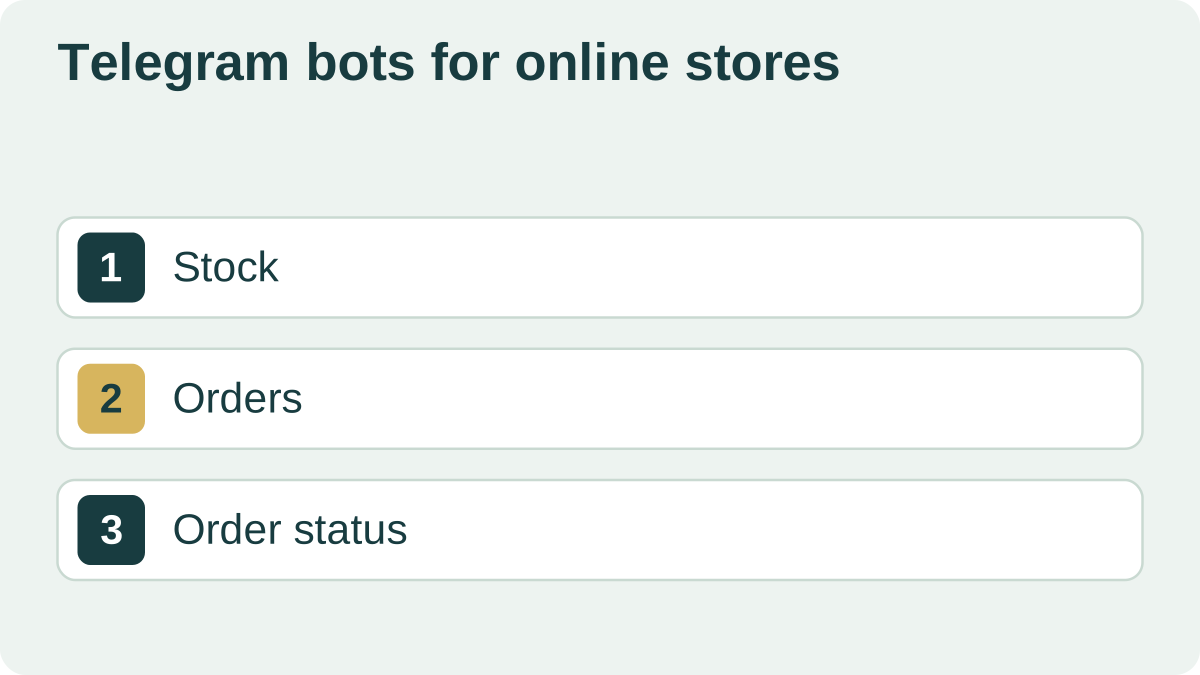
Telegram store bots: choose a useful shopping task
Choose a store bot workflow for repeat purchases, order status or support. Plan inventory checks, customer verification and Telegram payment rules.
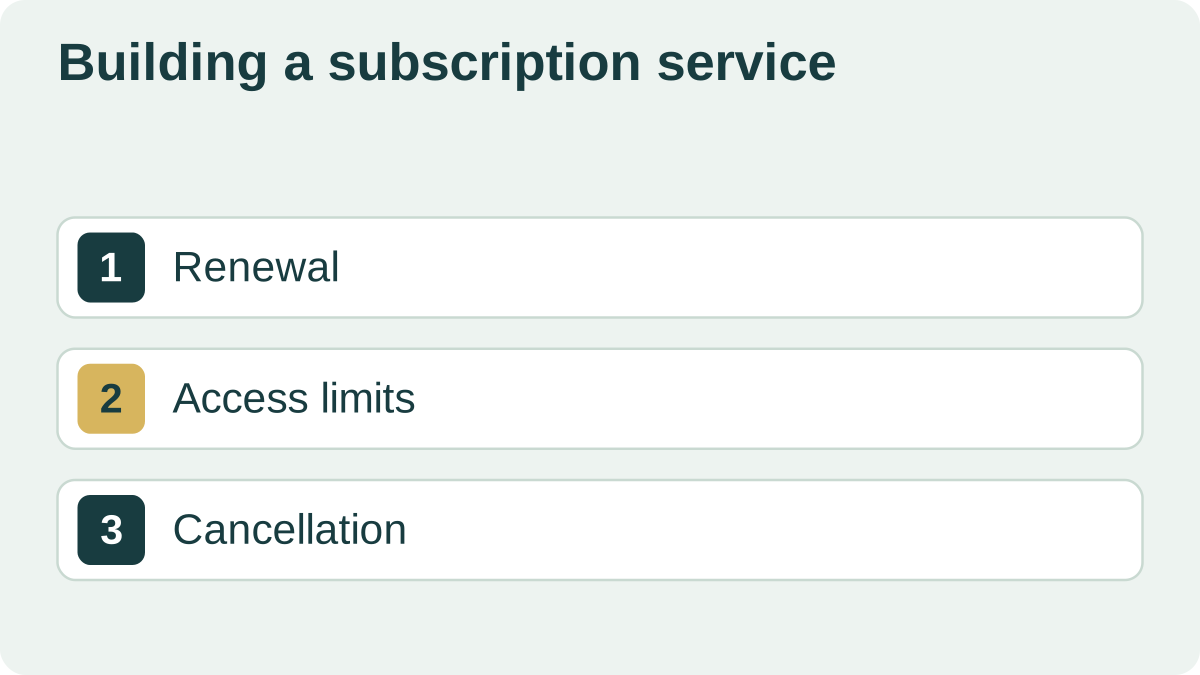
Subscription services: renewals, limits and cancellation
Plan subscription access, usage credits and cancellation. Check failed renewals and duplicate payment notifications, with a public SiliconSense product example.
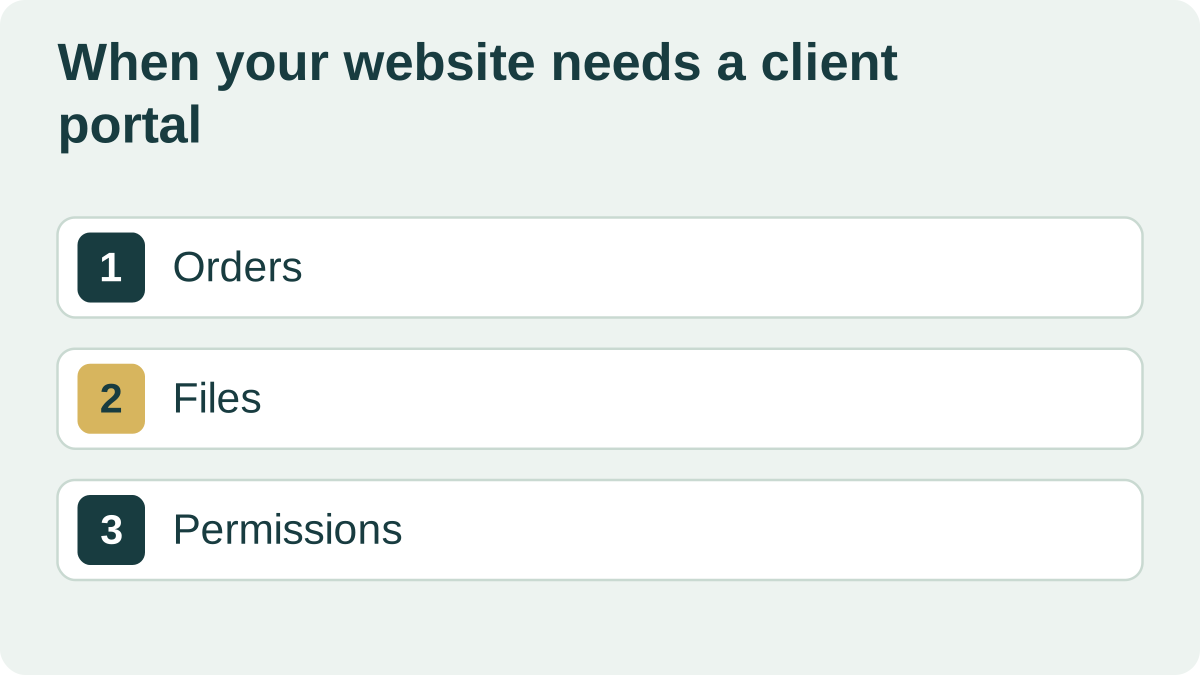
When your website needs a client portal
Decide whether customers need a portal or just a secure delivery link. Plan orders, files, subscriptions, permissions and account recovery.
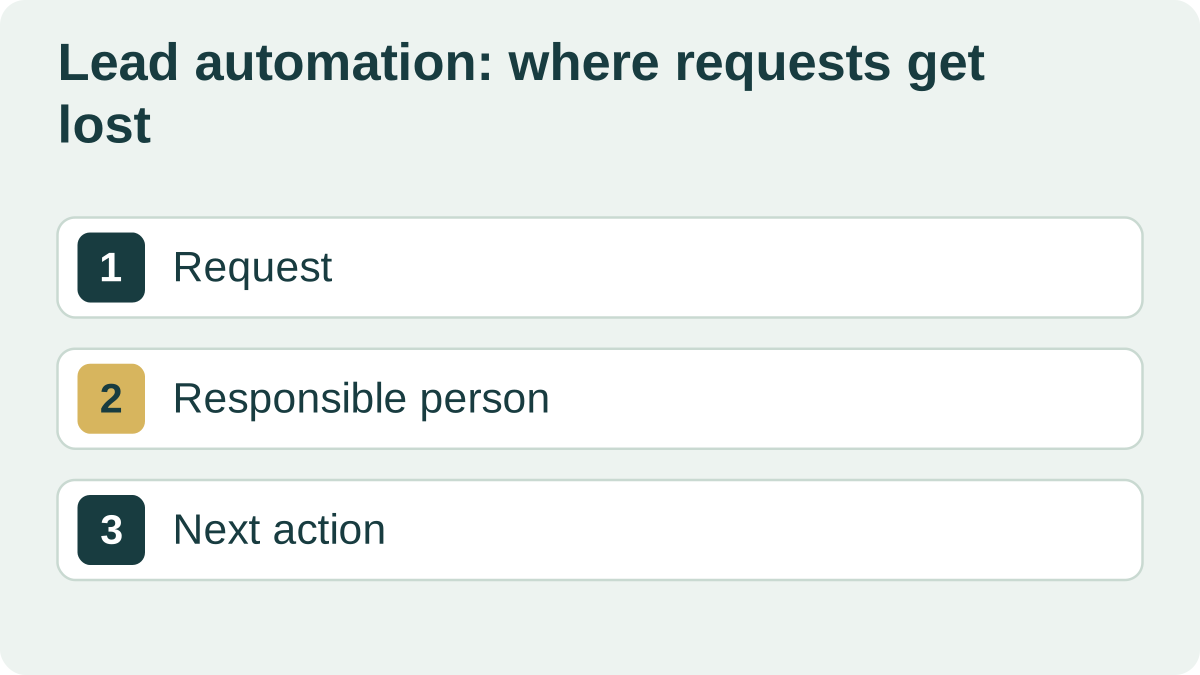
Lead automation: find where inquiries get stuck
Trace inquiries from your website, chat and phone. Find missing owners, failed handoffs and overdue follow-ups before choosing what to automate.
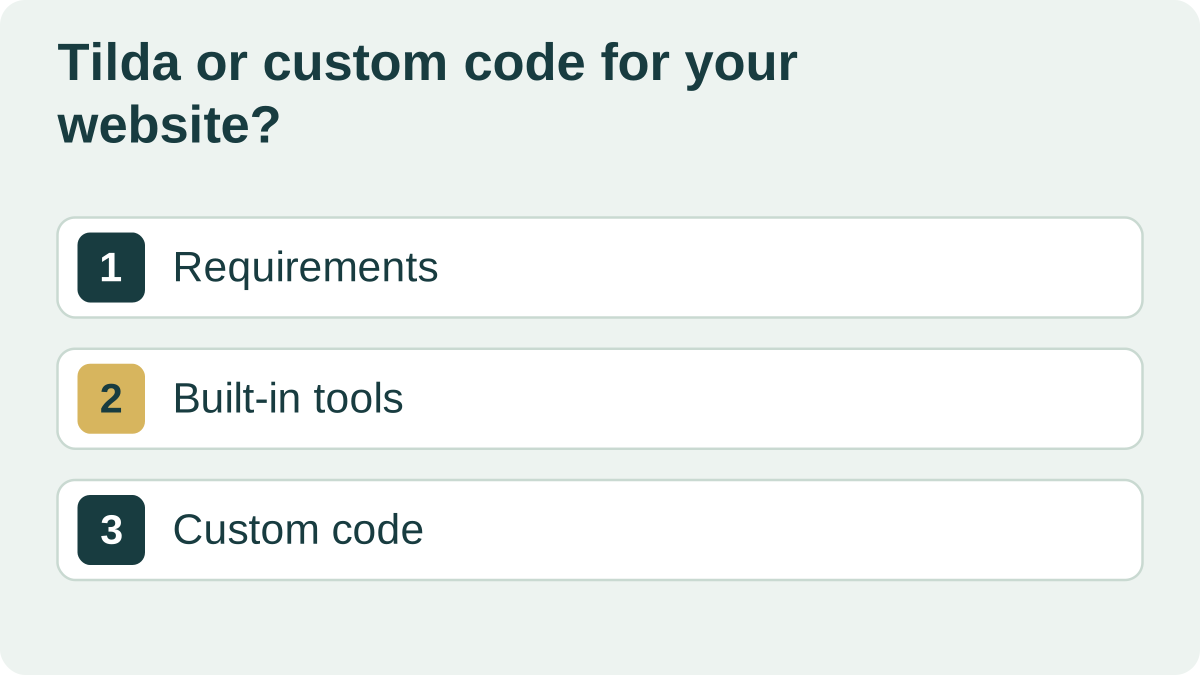
Tilda or custom development: choose for your workflow
Compare a service page, an online store and a custom application. Check built-in features, editing, integrations and ongoing costs before choosing a platform.
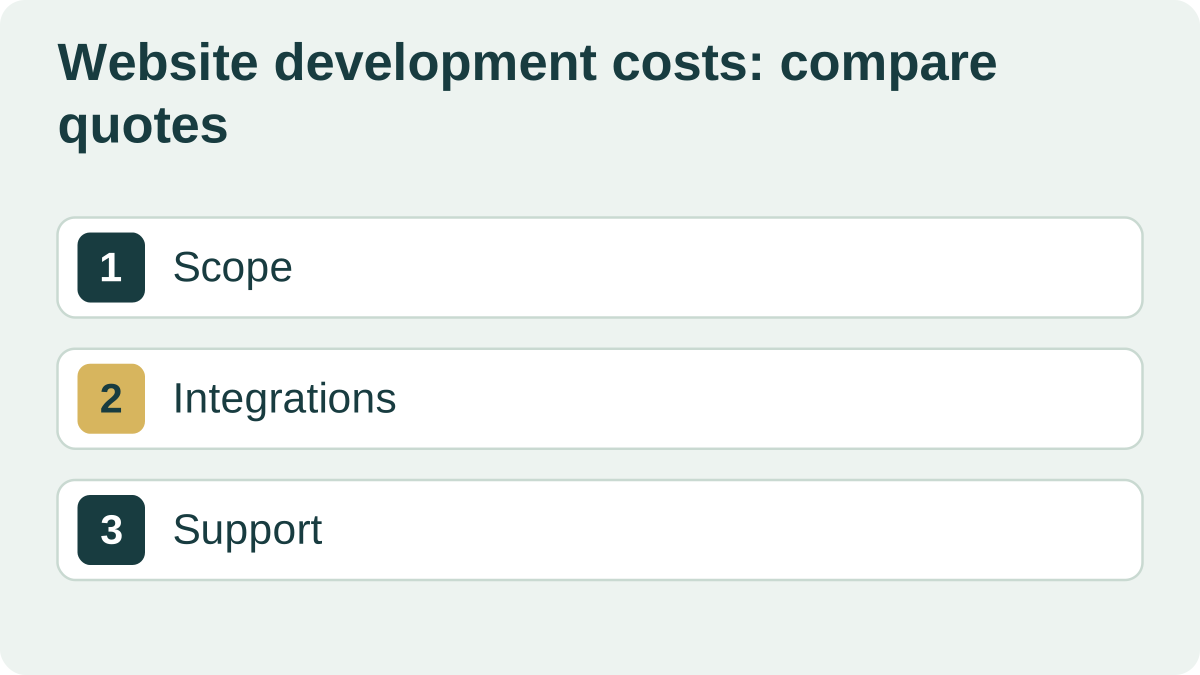
Website development costs: compare the same scope
Compare website quotes by content, functionality, ownership and first-year costs. Use a side-by-side example to find what each proposal includes.
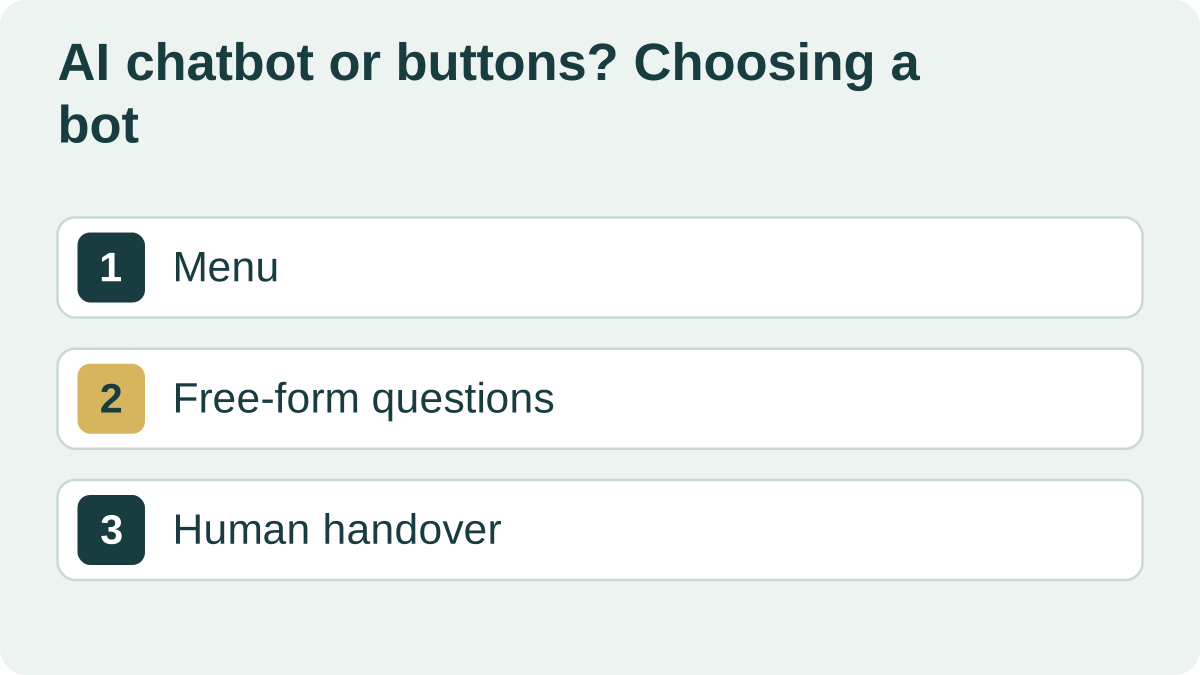
AI chatbot or buttons: which fits your customers?
Choose between a button menu and an AI chatbot. Compare booking, open-ended questions and human support, then test the options on your own customer inquiries.
Landing page costs: what your quote should include
Understand DevNomad’s starting landing page price and what changes the scope. Check content, inquiry delivery, payments, editing and ongoing costs.
Booking bots: prevent conflicting appointments
Build a booking flow around a reliable schedule. Test simultaneous bookings, rescheduling, reminders and calendar failures before customers rely on it.
Website payments: from checkout to delivery
Choose a suitable payment provider and test the complete order flow. Cover receipts, server-side verification, duplicate notifications, delivery failures and refunds.
Business chatbots: calculate the value
Calculate staff time, operating costs and a chatbot’s possible payback. Work through illustrative examples without confusing spare capacity with cash savings.
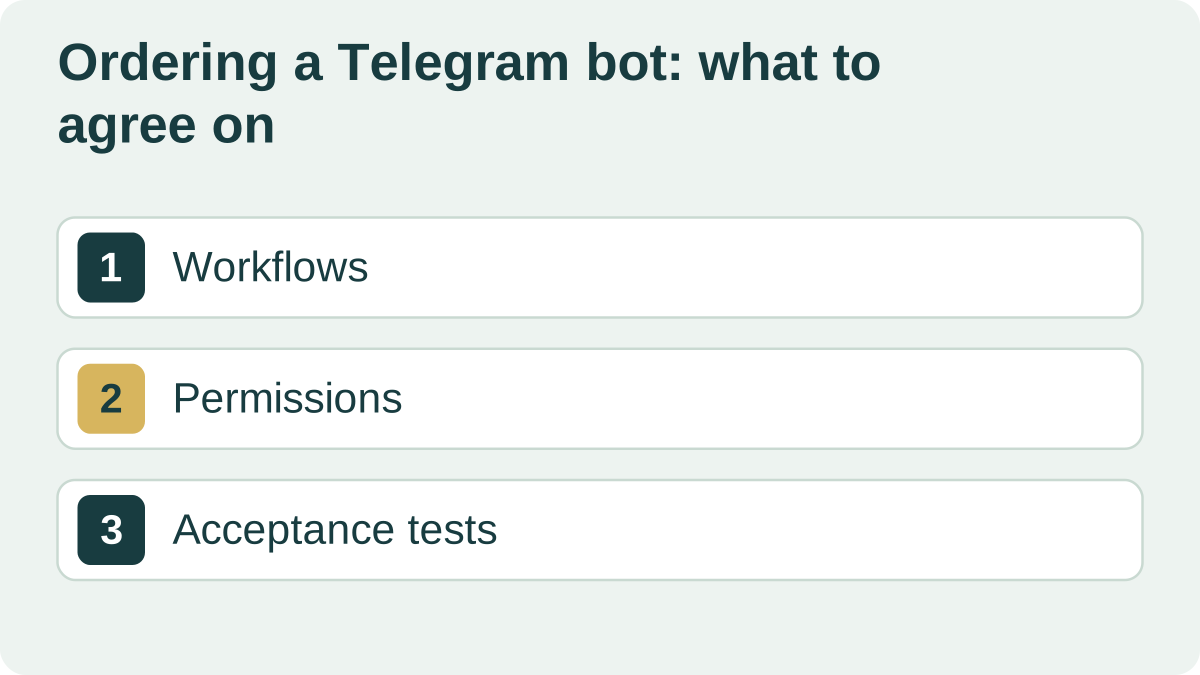
Ordering a Telegram bot: agree on the handover
Agree on bot workflows, access permissions, costs and acceptance before paying. Use a handover checklist for accounts, source code, backups and support.
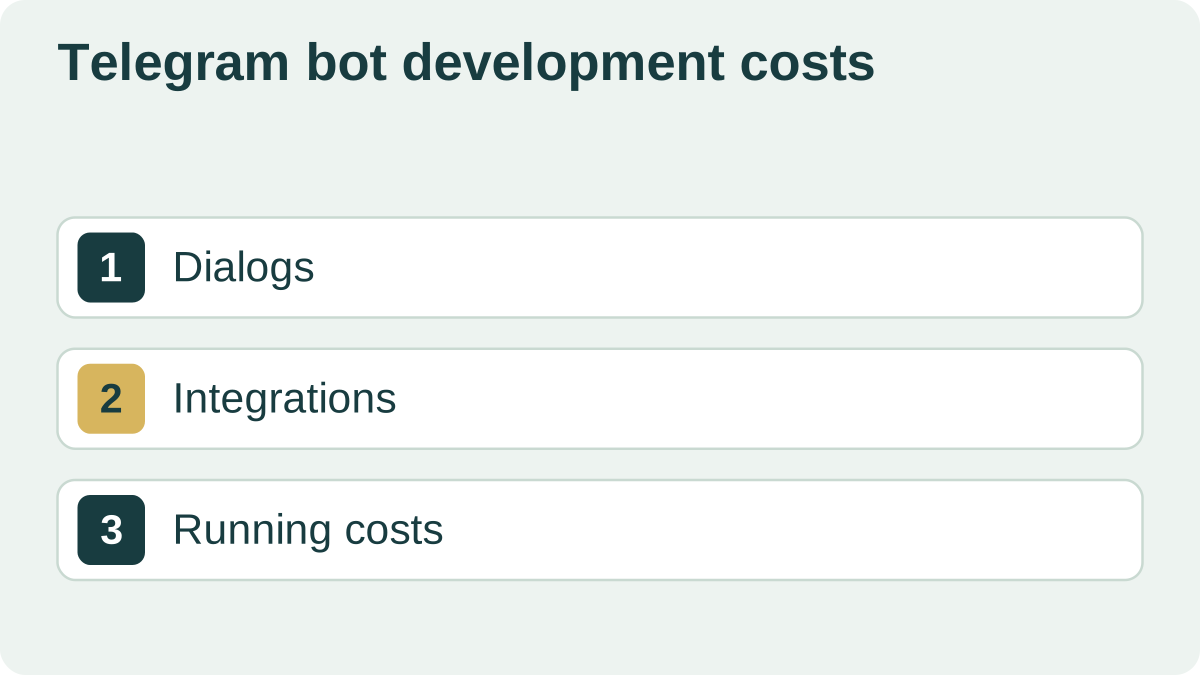
Telegram bot development and running costs
Understand DevNomad’s starting AI sales bot price, the work behind a quote and ongoing costs. Includes an illustrative monthly operating budget.